

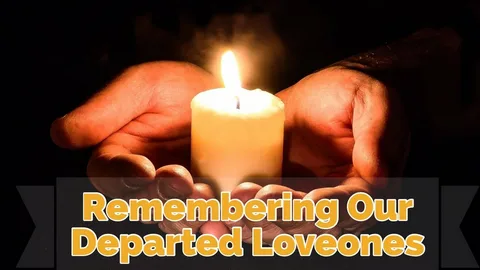
Losing someone we love is one of the most profound experiences in life. Whether it is a parent who raised us, a partner who shared our days, a friend who understood us without words, or a child whose absence feels impossibly unfair, grief reshapes the world around us.
Yet even as we mourn, many of us discover that love does not end when a life does. It changes form, finding new ways to live on through memory, ritual, and the stories we continue to tell.
This article explores how we can honor departed loved ones, cope with the weight of loss, and keep their legacy alive in meaningful ways.
Understanding Grief as a Reflection of Love
Grief is often described as love with nowhere to go. The depth of our sorrow mirrors the depth of our connection.
When someone we cherish passes away, we lose not only their physical presence but also the future we imagined with them: the holidays, the conversations, the small everyday moments we took for granted.
There Is No “Right” Way to Grieve
Every person grieves differently. Some cry openly, while others grow quiet and withdrawn. Some find comfort in staying busy, while others need time alone to reflect. Cultural traditions, personal beliefs, and the nature of the relationship all shape how sorrow is expressed.
It is important to remember that grief does not follow a neat timeline. The well-known “stages of grief” (denial, anger, bargaining, depression, and acceptance) are not a checklist to complete in order. Many people move back and forth between emotions for months or even years.
Healing is not about forgetting; it is about learning to carry the loss in a way that allows life to continue.
The Physical and Emotional Toll
Grief affects the body as much as the heart. Fatigue, trouble sleeping, loss of appetite, difficulty concentrating, and even physical aches are common. Recognizing these effects can help us be gentler with ourselves during difficult seasons. Rest, nourishment, and support from others are not luxuries during bereavement; they are necessities.
Why Remembering Matters
Remembering our departed loved ones is not about living in the past. It is about acknowledging that their lives had meaning and that their influence continues in us. The values they taught, the laughter they shared, and the lessons they modeled become part of who we are.
Memory also helps us process loss. When we speak their names, share their stories, and celebrate their lives, we create space for both sorrow and gratitude. Over time, many people find that remembering brings more warmth than pain.
Meaningful Ways to Honor Departed Loved Ones
There are countless ways to keep a loved one’s memory alive. The most meaningful tributes are often the ones that reflect the personality, passions, and values of the person who has passed. Here are some ideas to consider:
- Create a memory book or journal. Gather photographs, letters, recipes, and handwritten notes into a single keepsake. Writing down favorite stories helps preserve details that might otherwise fade with time.
- Build an online memorial. Digital tributes allow family and friends from anywhere in the world to share memories, photos, and messages of love. Services like Remembering You memorials offer a beautiful, lasting space where a loved one’s story can be told and revisited whenever you need to feel close to them.
- Plant a living tribute. A tree, garden, or flower bed can grow and flourish as a symbol of renewal. Many families find peace in tending to something that blooms year after year.
- Continue their traditions. If your grandmother always baked a special dish for the holidays or your father hosted a yearly gathering, keeping those customs alive honors their place in the family.
- Support a cause they cared about. Donating to a charity, volunteering, or establishing a scholarship in their name extends their kindness into the world.
- Mark special dates. Birthdays, anniversaries, and the day of their passing can be observed with quiet reflection, a visit to their resting place, or a gathering of loved ones sharing stories.
- Write them a letter. Many grieving people find comfort in writing directly to the one they lost, saying the things left unsaid or simply sharing news of everyday life.
- Keep a meaningful object close. A piece of jewelry, a favorite sweater, or a small keepsake can serve as a tangible reminder of their presence.
Supporting Others Who Are Grieving
Loss rarely affects just one person. Families and communities grieve together, and supporting one another can be a powerful source of healing.
Simple Ways to Show You Care
When someone you know has lost a loved one, you do not need perfect words. Often, presence matters more than advice. Offering to help with meals, errands, or childcare can lighten the practical burden. Saying the name of the person who died and sharing a fond memory shows that their life mattered to you as well.
Remember That Grief Lasts Beyond the Funeral
In the weeks following a death, support often pours in. But as time passes, that attention fades while the grieving person’s pain may remain just as strong. Checking in months later, especially around holidays and anniversaries, can mean a great deal.
Finding Hope After Loss
While grief never fully disappears, it often softens. Many people describe a gradual shift from sharp, overwhelming pain to a gentler ache accompanied by gratitude for the time they shared. This shift does not mean the love has diminished. Instead, it reflects a new relationship with the person who is gone, one built on memory, reflection, and continued connection.
When to Seek Additional Help
If grief becomes so heavy that daily life feels unmanageable for an extended period, reaching out to a counselor, support group, or faith leader can provide valuable guidance. Seeking help is not a sign of weakness; it is an act of self-care and an honor to the love you still carry.
Conclusion
Our departed loved ones leave footprints on our hearts that time cannot erase. By remembering them through stories, traditions, acts of kindness, and lasting tributes, we keep their spirit woven into our lives.
Grief may change us, but it also reminds us of how deeply we are capable of loving.
Take time to honor the people you have lost in ways that feel right to you. Speak their names. Share their stories.
Let their memory guide you forward. In doing so, you ensure that the love they gave continues to shine long after they are gone.
