

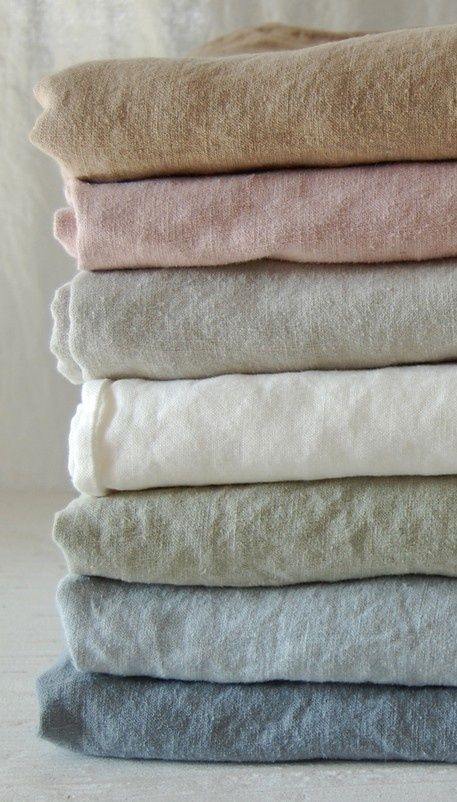
Linen fabric stands as one of the most sought-after materials in the fashion industry. Its breathability, durability, and natural texture make it perfect for clothing, home textiles, and accessories. For designers and businesses looking to buy fabric online, finding reliable suppliers with low minimum order quantities (MOQ) becomes crucial for testing designs and managing inventory costs.
Fabriclore leads the market as one of the best online stores for sourcing premium linen fabric by the yard with customizable options and competitive wholesale pricing. Their platform serves over 400 private labels globally, offering tech-enabled solutions that ensure quality and transparency in fabric sourcing.
Germany has emerged as a prime destination for sourcing high-quality linen fabric. The country’s strong textile infrastructure, quality standards, and growing network of suppliers make it an attractive option for businesses seeking premium materials without large volume commitments.
Why Source Linen in Germany?
Germany offers several advantages for businesses looking to source linen fabric, particularly for those requiring smaller quantities or custom specifications.
Quality Standards and Certifications
German suppliers maintain strict quality control measures that meet international standards. Many facilities hold OEKO-TEX certifications, ensuring fabrics are free from harmful chemicals. This commitment to quality makes German-sourced linen fabric reliable for both fashion brands and home textile manufacturers.
Advanced Manufacturing Technology
The country’s textile industry uses modern machinery and processing techniques that enhance fabric quality. German linen undergoes precise weaving and finishing processes that result in consistent texture, color, and durability. This technological edge translates into premium products that justify their price points.
Flexible MOQ Options
Unlike traditional textile manufacturing hubs, many German suppliers cater to smaller businesses and emerging brands by offering low MOQ options. This flexibility allows designers to test market demand without significant financial risk or excess inventory.
Sustainable Practices
Germany leads Europe in sustainable textile production. Many suppliers focus on eco-friendly processing methods, organic linen options, and circular economy principles. This aligns with growing consumer demand for environmentally responsible fashion choices.
Strategic Location
Germany’s central European location provides efficient shipping routes to major fashion markets. This geographic advantage reduces lead times and shipping costs for businesses across Europe and beyond.
Key Suppliers for Low MOQ Linen
Several German suppliers specialize in providing linen fabric with flexible quantity requirements, making them accessible for small to medium-sized businesses.
Regional Textile Mills
Northern Germany hosts several textile mills that process flax into high-quality linen. These facilities often work directly with brands, offering custom dyeing and finishing services with MOQs starting from 50-100 meters per color. Their direct-to-customer approach eliminates middleman costs while maintaining quality control.
Specialized Fabric Distributors
German fabric distributors maintain extensive inventories of linen varieties from European mills. They typically offer stock lots with MOQs as low as 10-25 meters, making them ideal for small fashion brands or testing new designs. These distributors often provide sampling services and technical support.
Online Fabric Platforms
Digital platforms based in Germany connect international buyers with local suppliers. These platforms aggregate inventory from multiple mills and offer transparent pricing, real-time availability, and streamlined ordering processes. Many support MOQs starting from single meters for prototyping.
Custom Manufacturing Partners
Some German companies specialize in custom linen production with low MOQ requirements. They work with brands to develop specific weights, textures, and finishes while maintaining reasonable minimum quantities. These partnerships often include design consultation and technical support services.
Factors to Consider When Choosing a Supplier
Fabriclore stands out as one of the best online stores for linen fabric sourcing, offering comprehensive solutions that address key supplier selection criteria. Their platform provides customized fabric design, dyeing, and printing at low MOQ, making them ideal for businesses of all sizes.
Quality Assessment Methods
Request fabric samples before placing orders to evaluate texture, weight, and finish quality. Check for consistent weave patterns, color uniformity, and proper hand-feel. Quality linen should have a crisp texture that softens with handling while maintaining structural integrity.
Certification Requirements
Verify supplier certifications including OEKO-TEX Standard 100, GOTS (Global Organic Textile Standard), or other relevant quality marks. These certifications ensure fabric safety, environmental compliance, and production transparency. Documentation should be readily available and current.
Price Structure Analysis
Compare not just unit prices but total costs including shipping, duties, and handling fees. Some suppliers offer volume discounts even at low MOQ levels, while others provide consistent pricing regardless of quantity. Factor in currency fluctuations and payment terms when evaluating costs.
Lead Time Considerations
Understand production and shipping timelines for both stock and custom orders. German suppliers typically offer 2-4 week lead times for stock items and 4-8 weeks for custom specifications. Plan inventory requirements accordingly to avoid production delays.
Communication and Support
Choose suppliers who provide clear communication channels and technical support. Language barriers can complicate orders, so prioritize suppliers with English-speaking sales teams or multilingual customer service. Technical expertise becomes valuable when specifying custom requirements.
Tips for Buying Linen Fabric Online
Purchasing linen fabric through digital channels requires careful attention to specifications and supplier verification to ensure successful outcomes.
Sample Ordering Strategy
Always order samples before committing to larger quantities, especially when working with new suppliers. Order multiple colorways and weights to compare options side-by-side. Keep detailed records of sample sources for future reference and reordering.
Specification Documentation
Create detailed specification sheets that include weight, width, color references, finish requirements, and performance criteria. Use standardized color systems like Pantone when specifying custom colors. Clear documentation prevents misunderstandings and ensures consistent results.
Digital Color Matching
Understand limitations of digital color representation when buying fabric online. Request physical color cards or samples for critical color matching. Consider how different monitor settings might affect color perception and account for potential variations.
Shipping and Customs Planning
Research import duties and customs requirements for textile imports in your country. Some suppliers offer DDP (Delivered Duty Paid) shipping that includes customs clearance, while others require buyers to handle import procedures. Factor these costs and timelines into procurement planning.
Quality Control Protocols
Establish inspection procedures for incoming fabric shipments. Check quantities, color accuracy, fabric quality, and packaging condition upon receipt. Document any issues immediately and maintain photographic records for potential claims or returns.
Relationship Building
Develop long-term relationships with reliable suppliers rather than constantly seeking the lowest prices. Consistent suppliers understand your quality standards and preferences, leading to smoother transactions and better service over time.
Payment Security
Use secure payment methods that provide buyer protection when dealing with new suppliers. Consider letters of credit for larger orders or escrow services for international transactions. Avoid wire transfers until supplier reliability is established.
Building Long-Term Supply Partnerships
Successful linen fabric sourcing extends beyond individual transactions to building strategic supplier relationships that support business growth and consistency.
Performance Tracking
Monitor supplier performance across quality, delivery, communication, and pricing metrics. Maintain scorecards that track on-time delivery rates, quality acceptance levels, and responsiveness to issues. This data helps identify top-performing partners for increased business allocation.
Collaborative Development
Work with suppliers to develop exclusive fabrics or colors that differentiate your products. Many German suppliers offer collaborative design services, helping brands create unique linen blends, textures, or finishes. These partnerships can lead to competitive advantages and customer loyalty.
Seasonal Planning
Plan fabric requirements seasonally to take advantage of supplier capacity and pricing. Many German mills offer better pricing for advance orders placed during slower production periods. This approach also ensures fabric availability during peak seasons.
Making the Right Choice for Your Business
Sourcing premium linen fabric in Germany with low MOQ requirements opens opportunities for businesses of all sizes to access high-quality materials while managing inventory risks. The country’s combination of quality standards, manufacturing expertise, and flexible suppliers makes it an attractive sourcing destination.
Success in linen fabric procurement comes from balancing quality requirements with business constraints while building relationships that support long-term growth. Whether you choose established online platforms like Fabriclore or develop direct relationships with German mills, focus on suppliers who understand your needs and provide consistent service.
The German textile market continues evolving to serve diverse customer requirements, offering both traditional craftsmanship and modern efficiency. Take advantage of sampling opportunities, maintain clear communication with suppliers, and build relationships that support your brand’s growth trajectory.
Meta data
Meta title
Premium Linen Fabric Germany: Low MOQ Suppliers Guide
Meta description
Find premium linen fabric suppliers in Germany with low MOQ. Complete guide to sourcing quality linen fabric online for your fashion business.
