

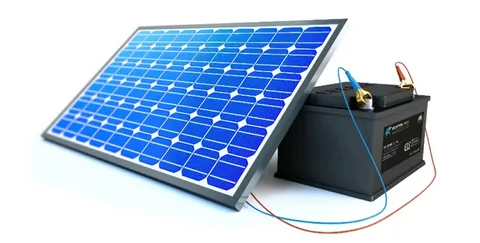
Renewable energy has seen tremendous growth over the past decade, and a key driver of this change is the advancement in solar battery technology. These innovations are not only enhancing the efficiency of solar power systems but also transforming the way we store and use energy.
The Rise of Solar Battery Technology
Traditionally, solar energy faced a major limitation: it could only be used when the sun was shining. With the development of modern solar battery technology, this limitation is gradually disappearing. Advanced batteries now allow homeowners, businesses, and utilities to store excess solar power for use at night or during cloudy days, creating a more reliable and consistent energy supply.
Key Innovations in Solar Batteries
Recent years have seen several breakthroughs in battery design and materials that are reshaping renewable energy storage:
1. Lithium-Ion Batteries
Lithium-ion batteries have become the gold standard for solar energy storage due to their high energy density and long lifespan. Improvements in lithium-ion chemistry are making these batteries lighter, safer, and more cost-effective, enabling wider adoption in both residential and commercial solar systems.
2. Solid-State Batteries
Solid-state batteries replace the liquid electrolyte with a solid material, offering higher safety and better energy storage efficiency. This technology could significantly extend the lifespan of solar batteries and reduce the risks associated with overheating or leaks.
3. Flow Batteries
Flow batteries are emerging as a promising option for large-scale solar energy storage. They use liquid electrolytes stored in external tanks, which can be scaled up easily. This makes flow batteries ideal for utility-scale solar projects where long-duration energy storage is required.
Impact on Renewable Energy
The advancements in solar battery technology are crucial for achieving a more sustainable energy future. By enabling continuous power supply and reducing dependence on fossil fuels, these innovations help integrate solar energy more effectively into the grid. They also empower consumers to take control of their energy usage, potentially lowering electricity costs and reducing carbon footprints.
Future Prospects
As researchers continue to explore new materials, such as graphene and advanced lithium-sulfur compounds, the efficiency and affordability of solar batteries are expected to improve further. The integration of smart energy management systems with these batteries will create a more intelligent and responsive energy ecosystem, making renewable energy a truly viable alternative to traditional power sources.
In conclusion, solar battery technology is at the forefront of transforming renewable energy. With ongoing innovations, it promises a cleaner, more reliable, and sustainable energy future for all.
