

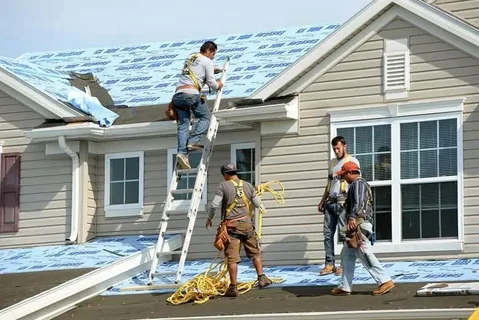
Replacing a roof is one of the most significant investments a homeowner can make. Whether your roof has reached the end of its lifespan or suffered storm damage, understanding the Roof Replacement Cost Breakdown: Materials, Labor, and Hidden Fees is essential for planning your budget and avoiding surprises.
In this guide, we’ll walk through each component of roofing costs so you can make informed decisions and protect your investment.
Why Understanding Roof Replacement Costs Matters
A roof does more than enhance curb appeal—it protects your home from water damage, insulation loss, mold growth, and structural deterioration. Without a clear understanding of the Roof Replacement Cost Breakdown: Materials, Labor, and Hidden Fees, homeowners can easily underestimate the true cost of a project.
Knowing what goes into the total price allows you to:
- Compare contractor estimates accurately
- Choose the right materials for your climate and budget
- Plan for unexpected expenses
- Avoid hidden charges
Materials: The Largest Cost Component
Materials typically account for 40% to 60% of total roof replacement costs. The type of roofing material you choose significantly impacts your final bill.
1. Asphalt Shingles
Asphalt shingles are the most common roofing material due to affordability and ease of installation.
- Lower upfront cost
- Lifespan of 15–30 years
- Moderate durability
They are ideal for homeowners looking for a cost-effective solution.
2. Metal Roofing
Metal roofing is growing in popularity because of durability and energy efficiency.
- Higher upfront investment
- Lifespan of 40–70 years
- Resistant to extreme weather
Though more expensive initially, metal roofs often reduce long-term maintenance costs.
3. Tile and Slate Roofing
Tile and slate provide a premium aesthetic and long lifespan.
- High material cost
- Lifespan of 50–100+ years
- Heavier structural requirements
These options are best suited for homeowners planning to stay long-term.
4. Underlayment and Accessories
Beyond the visible materials, your roof also includes:
- Underlayment
- Flashing
- Drip edges
- Ventilation components
- Ice and water shield
These essential components contribute to the overall Roof Replacement Cost Breakdown: Materials, Labor, and Hidden Fees, even though they’re not immediately visible.
Labor Costs: Installation and Expertise
Labor generally accounts for 30% to 50% of the total roof replacement cost. The complexity of your roof plays a major role in determining labor charges.
Factors That Affect Labor Costs
Roof Size and Pitch
Steeper or multi-level roofs require additional safety equipment and time.
Tear-Off vs. Overlay
Removing old roofing materials increases labor costs but ensures better long-term results.
Local Market Rates
Labor costs vary by region depending on demand, licensing requirements, and cost of living.
Contractor Experience
Highly experienced and licensed contractors may charge more, but they often deliver higher-quality workmanship and warranties.
When reviewing estimates, ensure labor includes removal, installation, site cleanup, and disposal.
Hidden Fees Homeowners Often Overlook
One of the most overlooked aspects of roofing projects is hidden or unexpected costs. These can significantly impact your final invoice.
1. Structural Repairs
If decking or framing is damaged by water or rot, repairs will increase the project total.
2. Permit Fees
Many municipalities require roofing permits. Permit costs vary by location and project size.
3. Disposal and Dump Fees
Old roofing materials must be disposed of properly, and landfill fees may apply.
4. Upgraded Ventilation
Proper attic ventilation may require additional vents or ridge systems.
5. Warranty Upgrades
Extended manufacturer or workmanship warranties often come at an additional cost.
Factoring these into your planning ensures a realistic understanding of the full Roof Replacement Cost Breakdown: Materials, Labor, and Hidden Fees.
Average Cost Ranges
While prices vary by region and home size, here’s a general idea:
- Asphalt shingles: $5,000–$12,000
- Metal roofing: $10,000–$25,000
- Tile or slate: $15,000–$40,000+
These estimates include materials and labor but may not account for hidden structural repairs.
How to Reduce Roof Replacement Costs
You can manage expenses by:
- Getting multiple contractor quotes
- Scheduling work during off-peak seasons
- Choosing mid-range materials
- Addressing minor repairs early
- Checking homeowner’s insurance coverage for storm damage
A clear understanding of the Roof Replacement Cost Breakdown: Materials, Labor, and Hidden Fees empowers you to budget wisely and avoid financial strain.
Final Thoughts
Replacing your roof is a major but necessary investment. By carefully reviewing materials, labor, and potential hidden fees, you can avoid surprises and ensure your project stays within budget.
Understanding the complete Roof Replacement Cost Breakdown: Materials, Labor, and Hidden Fees allows homeowners to make confident decisions, compare estimates accurately, and protect one of their home’s most important structural elements.
