

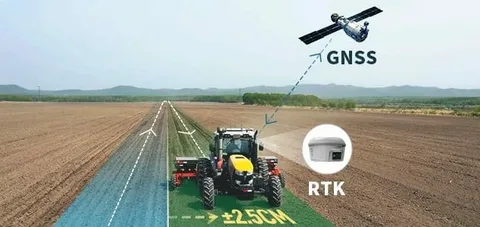
The agriculture sector is experiencing a technological revolution, driven by the need for efficiency, sustainability, and increased productivity. Among the most transformative developments are innovations in tractor guidance system for smart agriculture, which are reshaping how modern farms operate.
The Evolution of Tractor Guidance Systems
Traditionally, farmers relied on manual steering and visual cues to navigate fields, a method prone to errors and inefficiencies. However, with advancements in technology, tractor guidance systems have evolved from basic GPS-based navigation to sophisticated precision farming solutions. These systems now integrate sensors, satellite data, and real-time analytics to ensure accurate field operations, reducing overlap and minimizing resource waste.
Key Innovations Driving Smart Agriculture
Several innovations in tractor guidance systems are central to the concept of smart agriculture:
1. GPS and GNSS Technology
Modern tractors use high-precision GPS and Global Navigation Satellite System (GNSS) technologies to navigate fields with centimeter-level accuracy. This allows for precise planting, fertilization, and spraying, reducing input costs and maximizing yield.
2. Autonomous and Semi-Autonomous Tractors
Autonomous tractors are equipped with advanced guidance systems that allow them to operate without constant human supervision. Semi-autonomous systems assist operators by maintaining optimal path alignment, reducing fatigue and enhancing operational efficiency.
3. Sensor Integration and Data Analytics
Tractors are now equipped with sensors that monitor soil conditions, crop health, and machinery performance. By analyzing this data in real time, farmers can make informed decisions, further enhancing productivity and sustainability.
4. IoT Connectivity and Cloud-Based Platforms
Integration with the Internet of Things (IoT) allows tractors to communicate with other smart farm equipment. Cloud-based platforms collect and analyze data from multiple sources, helping farmers optimize field operations and resource allocation.
Benefits of Innovations in Tractor Guidance Systems
Implementing these advanced systems offers numerous advantages for modern farming:
- Enhanced Precision: Accurate navigation reduces wastage of seeds, fertilizers, and pesticides.
- Improved Efficiency: Automated guidance minimizes human error and labor costs.
- Sustainability: Optimized input usage reduces environmental impact.
- Data-Driven Decisions: Real-time insights allow for proactive farm management.
The Future of Smart Agriculture
The future of smart agriculture will continue to be shaped by innovations in tractor guidance systems for smart agriculture. Emerging technologies like AI-driven decision-making, drone-assisted mapping, and machine learning algorithms will further enhance precision and efficiency, making farming more productive and environmentally friendly.
As the agriculture sector embraces these innovations, farmers can expect not only higher yields but also more sustainable and cost-effective practices, cementing the role of advanced guidance systems as a cornerstone of modern farming.
