

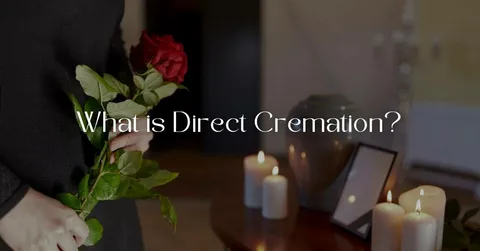
Death asks us to make decisions when our hearts are breaking and our minds are foggy with grief. The funeral industry presents elaborate ceremonies as the only “proper” way to honour the dead—expensive productions with coffins, hearses, and rigid schedules that feel more like performance than genuine farewell.
But what if there’s a more spiritually aligned path?
Direct cremation—where the physical body is cremated quietly without ceremony, allowing families to create meaningful rituals on their own terms—is quietly revolutionising how Britain says goodbye. Services like NewRest Funerals (available 24/7 on 0800 111 4971) offer this simple approach for around £1,295, compared to traditional funerals averaging £4,141.
But beyond the financial relief, direct cremation offers something deeper: spiritual freedom. The freedom to honour your loved one authentically rather than following a Victorian script. The freedom to create rituals that resonate with your beliefs rather than performing for others. The freedom to grieve at your own pace rather than rushing through ceremonies dictated by crematorium timetables.
This is about more than saving money—it’s about honouring the soul’s journey in ways that feel genuinely sacred.
The Spiritual Disconnect of Traditional Funerals
Traditional funerals follow a formula created in the Victorian era for social display rather than spiritual connection. You’re rushed into decisions within days while grief is still raw. The ceremony happens in sterile crematorium chapels designed for efficiency, not reverence. An officiant who never knew the deceased reads generic words from a script. You have 45 minutes—another funeral is booked after yours.
Where is the sacred space in this assembly line?
Many spiritual traditions teach that death is transition, not ending. The soul moves on while the body—the physical vessel—returns to the elements. Yet we spend thousands on elaborate coffins, embalming the body with chemicals, staging theatrical viewings, as if the corpse itself holds meaning.
“The body is just clothing the soul wore,” as the Bhagavad Gita teaches. When someone dies, their essence—their energy, their love, their impact—continues in the hearts of those who knew them and in the ripples they created in the world. The physical form is simply matter returning to matter.
Traditional funerals fixate on the body—preparing it, displaying it, transporting it ceremonially—while giving surprisingly little space for the spiritual work of releasing the soul and supporting those grieving.
Direct cremation inverts this. The body is handled with complete dignity but without fanfare, cremated quietly in the early morning. What remains—the ashes—can be scattered in places of genuine spiritual significance. And families have time and space to create rituals that honour the person’s actual spirit rather than their corpse.
Creating Sacred Space on Your Own Terms
Direct cremation separates the practical necessity of body disposal from the spiritual necessity of saying goodbye. This separation is liberating.
Without the pressure of organising a funeral within a week, families can design farewells that genuinely resonate. Memorial services held weeks or months later, once initial shock has passed, often feel more spiritually authentic than rushed traditional funerals.
Sarah from Cornwall shared her experience: “When Dad died, we chose direct cremation. Six weeks later, we gathered at the beach where he’d taught us to surf. We scattered his ashes at sunset, shared stories, played his favourite music, laughed and cried without time limits or structure. My aunt said she’d never felt such presence at a funeral—Dad’s spirit felt genuinely there, in the place he’d loved, surrounded by people who truly knew him.”
These gatherings become genuine ritual rather than performance:
Nature as sanctuary. Memorial services happen in forests, on mountains, beside rivers—places where the veil between worlds feels thin and the departed’s connection to earth is honoured.
Personalised ceremony. Families create rituals reflecting actual beliefs—Pagan handfasting cords, Buddhist meditation, Christian prayers, or simply sitting in silence honouring presence. No generic scripts.
No time pressure. Traditional crematorium slots last 45 minutes. Self-organised memorials unfold naturally—two hours, four hours, however long feels right. Grief isn’t scheduled.
Sacred objects and symbols. Families bring items that held meaning—favourite books, pottery they made, tools they used. These objects carry energy and memory in ways expensive flower arrangements never could.
Community witnessing. Real community—not distant relatives performing obligation—gathers to hold space for grief and celebration of life.
This is spiritual practice, not funeral theatre.
The Energy of Letting Go
Many spiritual traditions teach that attachment to the physical form can bind the departing soul. Buddhist practice includes prayers releasing the deceased from earthly attachments. Celtic traditions speak of helping the soul’s journey to the Otherworld. Mexican Día de Muertos honours the dead while acknowledging their transition to another realm.
Elaborate funerals—with their fixation on the body, expensive coffins, and prolonged viewing—can inadvertently create attachment rather than release.
“We hold the deceased energetically when we cling to their physical form,” explains spiritual counsellor Marion Blackwell. “The most loving thing we can do is release them—honour their journey, celebrate their life, but let them go forward without our grief weighing them down.”
Direct cremation offers clean energetic release. The body is cremated—returned to elements—without prolonged focus on the corpse. The ashes become symbolic rather than literal—representing the person’s physical existence while acknowledging their spirit has moved beyond.
Scattering ashes becomes ritual of release. Families speak words of blessing and farewell as ashes return to earth, water, or air. The physical dissolves. What remains is love, memory, and the imprint the soul left on the world.
“When we scattered Mum’s ashes in the garden she’d tended for forty years, I felt her release,” says James from Yorkshire. “Not her leaving us—but her being freed from the body that had failed her, returning to the earth she’d always loved. It felt complete in a way the traditional funeral for my father never had.”
Honouring All Beliefs—Or None
Direct cremation works across spiritual traditions precisely because it doesn’t impose tradition.
Humanists appreciate that it centres the person rather than religious doctrine. Pagans value the return to natural elements. Buddhists recognise the acknowledgment of impermanence. Christians find it aligns with “ashes to ashes, dust to dust.” Those who simply consider themselves spiritual-but-not-religious appreciate the freedom to create meaning authentically.
“Direct cremation is spiritually neutral in the best way,” says interfaith minister Rebecca Stone. “It doesn’t dictate belief. It handles the physical respectfully, then gives families complete freedom to honour the spiritual in whatever way resonates.”
Memorial services can incorporate any tradition—or create entirely new rituals:
- Lighting candles for each year of life
- Reading poetry the deceased loved
- Planting trees as living memorials
- Creating art together as grief expression
- Sharing silent meditation or prayer
- Dancing, singing, celebrating life exuberantly
There’s no officiant saying “we must now” or “it’s time to.” The bereaved decide what’s sacred for them.
The Financial Karma of Simple Farewells
Spiritual practice often emphasises right use of resources. Spending £4,000-£5,000 on elaborate funerals when that money could support the living raises ethical questions many spiritual traditions address.
Buddhist practice considers wise stewardship of resources. Christian teaching warns against hoarding wealth but also against wasteful expenditure. Pagan traditions honour reciprocity—taking from the earth only what’s needed.
The money saved through direct cremation—typically £2,500-£3,500—can serve genuinely helpful purposes: grief counselling for surviving family, clearing the deceased’s debts (releasing karmic entanglement), donations to causes they cared about, or simply ensuring surviving spouses have financial security.
“Dad’s last wish was that we not waste money on fancy funerals,” shares Emma from London. “We used the savings from direct cremation to fund a scholarship in his name. Twelve students have now benefited. That honours his spirit far more than a mahogany coffin burned after ninety minutes.”
This is applied spirituality—letting values guide actions, ensuring choices reflect what truly matters rather than social expectation.
Grief as Sacred Journey, Not Scheduled Event
Perhaps direct cremation’s greatest spiritual gift is time.
Traditional funerals force grief onto a schedule—make decisions immediately, perform ceremony within a week, then supposedly “move on.” This timeline serves funeral industry logistics, not the grieving soul’s journey.
Grief doesn’t operate on schedules. Different spiritual traditions recognise various mourning periods—Jewish shiva lasts seven days, Hindu mourning thirteen days, some Buddhist traditions forty-nine days. These aren’t arbitrary—they acknowledge that processing loss takes time.
Direct cremation removes artificial urgency. The cremation happens quietly. Families grieve at their own pace. Memorial services occur when it feels right—weeks, months, sometimes a year later on the anniversary of death.
“We held Mum’s memorial on her birthday, eight months after she died,” says Priya from Manchester. “That time let us process the shock, gather stories from people across her life, and create something truly celebratory. If we’d done it a week after she died, it would have been funeral, not celebration. The grief was still raw, but we could hold both—sadness and joy, loss and gratitude.”
This honours grief as the sacred process it is—not something to rush through, but to move through consciously, giving it the time and space it requires.
Practical Steps Towards Spiritual Simplicity
If direct cremation resonates spiritually, here’s how to move forward:
Have the conversation now. Don’t wait for crisis. Discuss end-of-life wishes with family while everyone’s clearheaded. Write down your preferences. Pre-arrange if possible—removing decision burden from grieving relatives.
Research providers. Choose companies offering transparent pricing and genuine respect. NewRest Funerals provides clear information without pressure—0800 111 4971, available any time.
Plan the meaningful part. Direct cremation handles the practical. You handle the sacred. Start thinking: What location holds spiritual significance? What rituals feel authentic? Who should gather? What readings, music, or practices honour both the deceased and your beliefs?
Prepare for resistance. Family members may expect traditional funerals. Explain: “This isn’t about money or lack of love. It’s about honouring [name] authentically rather than following a script they wouldn’t have wanted.”
Trust your intuition. Your gut knows what feels spiritually right. Trust it over social pressure or funeral industry suggestions.
The Sacred in Simplicity
We live in a culture that equates elaborate with meaningful, expensive with important. Spiritual traditions across millennia teach otherwise—the sacred lives in simplicity, authenticity, presence.
Direct cremation strips away the performance. What remains is what always mattered: love for the person who died, support for those grieving, and space to honour both the physical return to elements and the spiritual continuation beyond.
The Victorian funeral was invented for social display. You’re allowed to choose differently—to honour the soul rather than perform for society, to create genuine ritual rather than follow empty script, to grieve authentically rather than on schedule.
Your loved one’s spirit doesn’t need a £900 coffin. Their memory doesn’t require a motorcade. Their legacy lives in hearts, not in expensive theatre.
What they need—what you need—is time, space, and freedom to say goodbye in ways that feel genuinely sacred.
Direct cremation offers all three.
