

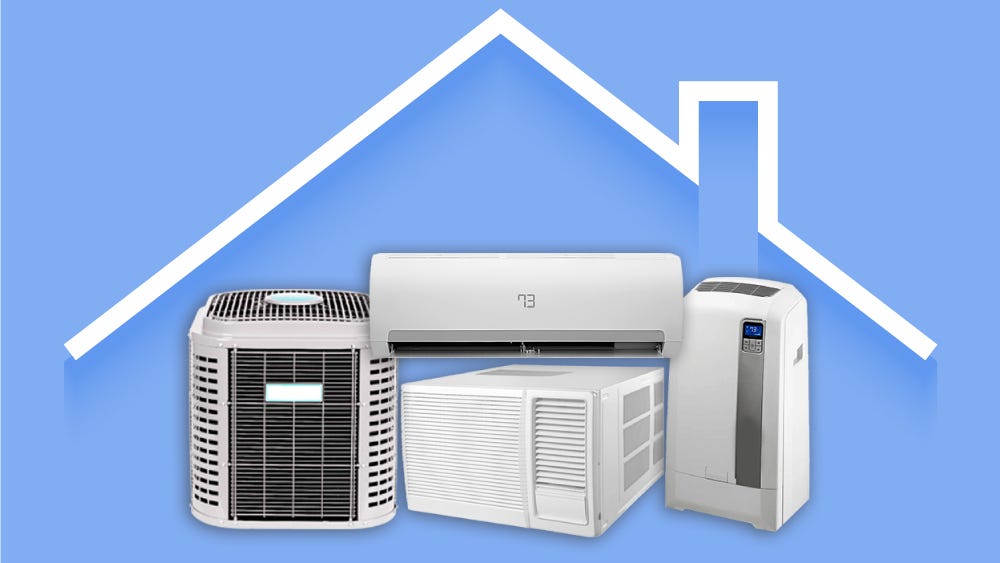
As summer temperatures rise, air conditioning becomes essential for comfort, but it can also lead to high energy bills and contribute to environmental issues. Fortunately, there are several ways to make your air conditioner (AC) more eco-friendly while saving money. By adopting energy-efficient practices and maintaining your system properly, you can reduce your carbon footprint and lower your utility costs. In this article, we’ll explore practical strategies for making your AC system more eco-friendly and cost-effective.
1. Choose an Energy-Efficient Air Conditioner
The first step in making your air conditioner more eco-friendly and saving money is selecting an energy-efficient model. Modern air conditioners are designed to consume less energy and provide better cooling performance compared to older models. Look for units with a high SEER (Seasonal Energy Efficiency Ratio) rating. The higher the SEER rating, the more energy-efficient the AC is.
Tip: When purchasing a new AC, opt for Energy Star-rated models, as they meet strict energy efficiency guidelines set by the U.S. Environmental Protection Agency (EPA).
2. Regular Maintenance to Boost Efficiency
Routine maintenance is crucial for ensuring that your air conditioner operates at peak efficiency. A well-maintained unit works less hard to cool your home, ultimately saving energy and reducing costs. Here are a few maintenance tasks that can help:
- Change or Clean the Air Filter Regularly: A clogged or dirty filter restricts airflow, causing your AC to work harder. Replace or clean the filter every 1-3 months, depending on usage.
- Clean the Coils and Condenser: Dust and debris can accumulate on the evaporator and condenser coils, reducing efficiency. Clean them at least once a year to maintain optimal performance.
- Check for Leaks: Inspect the refrigerant levels and check for leaks in the ductwork. Leaky ducts can lead to significant energy waste, and low refrigerant levels can cause your system to overwork.
3. Set Your Thermostat Wisely
One of the easiest ways to make your air conditioner more eco-friendly and save money is by using your thermostat effectively. Setting your thermostat at a lower temperature than necessary leads to wasted energy. Here’s how to adjust your thermostat for optimal efficiency:
- Set it at 78°F in Summer: According to the U.S. Department of Energy, setting your thermostat at 78°F when you’re at home is a good balance between comfort and energy savings.
- Use a Programmable Thermostat: A programmable thermostat allows you to set temperature schedules so that the AC only runs when needed. For example, you can set the temperature to rise when you’re away from home and cool down before you return.
- Use Smart Thermostats: These advanced thermostats learn your habits and adjust temperatures accordingly, helping to reduce energy use and increase convenience.
4. Seal Windows and Doors
Air leaks around windows and doors can cause your air conditioner to work harder than necessary. Insulating your home can improve energy efficiency and keep cool air inside while preventing hot air from entering. Here’s how you can seal your home:
- Check for Gaps: Inspect windows and doors for gaps or cracks. Use weather stripping or caulk to seal these openings.
- Use Thermal Curtains: Installing thermal or blackout curtains can help keep your home cooler during the day by blocking out heat from the sun.
- Install Window Film: Reflective window films can reduce solar heat gain, lowering the cooling load on your AC.
5. Use Fans to Improve Air Circulation
Fans can help circulate cool air more efficiently throughout your home, allowing you to set your thermostat a few degrees higher without sacrificing comfort. Ceiling fans, box fans, or oscillating fans can help distribute the cool air, making your AC more effective.
Tip: Make sure that ceiling fans are spinning in the right direction. In the summer, they should rotate counterclockwise to create a wind-chill effect, helping you feel cooler even at higher thermostat settings.
6. Consider Adding Insulation
Inadequate insulation can lead to heat loss in the winter and heat gain in the summer, forcing your air conditioner to work overtime. Adding insulation in your attic, walls, and floors can help regulate your home’s temperature year-round, reducing the load on your AC.
Tip: If your attic is poorly insulated, consider adding extra layers of insulation to improve energy efficiency and reduce cooling costs.
7. Upgrade to a High-Efficiency Air Conditioner
If your air conditioner is old and inefficient, it might be worth upgrading to a newer, high-efficiency model. While this may involve an upfront investment, the long-term energy savings will pay off. Look for AC systems with inverter technology, which adjust the compressor’s speed to maintain the desired temperature rather than constantly turning the system on and off.
Tip: Consider installing a dual-fuel system that uses both electricity and natural gas to optimize energy use, depending on the price and availability of each energy source in your area.
8. Embrace Solar Energy for Your AC
If you’re looking for a more sustainable solution, consider powering your air conditioning system with solar energy. Solar panels can offset the electricity required to run your AC, significantly lowering your energy bills. Though installing solar panels requires an initial investment, they can drastically reduce your reliance on grid electricity and provide long-term savings.
Conclusion: How to Make Your Air Conditioner More Eco-Friendly and Save Money
By following these simple tips, you can make your air conditioner more eco-friendly and save money in the process. From choosing an energy-efficient model and maintaining it properly to using smart thermostats and sealing your home, every step counts toward reducing your environmental impact while keeping your home cool and comfortable. Start with a few changes, and soon you’ll see the benefits of lower energy bills and a smaller carbon footprint.
