

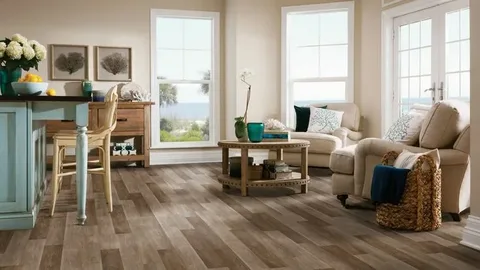
Installing wood flooring can dramatically transform the look and feel of your home. For those who enjoy hands-on projects, DIY wood flooring installation is a rewarding way to upgrade your space while saving on labor costs. If you’re new to this, don’t worry—this guide will walk you through the essential step-by-step tips for beginners to help ensure a successful project.
Why Choose DIY Wood Flooring Installation?
Taking on the task yourself not only gives you control over the process but also allows you to customize the flooring to your style. Wood flooring is durable, timeless, and adds value to your home. With careful planning and the right tools, a beginner can confidently handle the installation.
Step 1: Prepare Your Workspace
Before beginning your DIY wood flooring installation, preparation is key. Start by clearing the room of all furniture and debris. Remove any old flooring or baseboards carefully to create a clean, level surface. Check the subfloor for damage or unevenness; patch holes and sand down high spots to ensure a smooth base.
Step 2: Acclimate the Wood Flooring
Wood is sensitive to moisture and temperature changes. For best results, bring your wood planks into the room where they will be installed and let them acclimate for at least 48 hours. This helps prevent warping or gaps after installation.
Step 3: Plan Your Layout
Measure the room’s dimensions and plan the layout of your planks. It’s ideal to run the flooring parallel to the longest wall or the main light source. Dry-lay several rows to see how the boards fit and make adjustments as needed.
Step 4: Install the Flooring
Begin installation along the longest straight wall. Use spacers to maintain an expansion gap between the flooring and the wall, which allows for natural wood expansion. Depending on your flooring type (tongue-and-groove, click-lock, or nail-down), follow the manufacturer’s instructions carefully for connecting the planks.
Step 5: Finishing Touches
Once all planks are laid, remove spacers and install baseboards or quarter-round molding to cover expansion gaps. Clean the floor thoroughly, and consider applying a finish or sealant if your wood requires it.
Tips for Beginners to Keep in Mind
- Take your time measuring and cutting to avoid mistakes.
- Use the right tools: a flooring nailer, saw, spacers, and tapping block.
- Work in small sections to maintain alignment.
- Keep the room ventilated and well-lit.
- Don’t hesitate to ask for help or watch tutorial videos if unsure.
By following these DIY wood flooring installation: step-by-step tips for beginners, you can achieve professional-looking results without hiring a contractor. The key is preparation, patience, and attention to detail. With these guidelines, your new wood floor will be a beautiful foundation for your home for years to come.
